The Best High-Quality Plant-Based Protein Powders for Smoothies
This post contains affiliate links. As an Amazon Associate, I earn from qualifying purchases — at no additional cost to you. I only recommend products I personally use and trust.
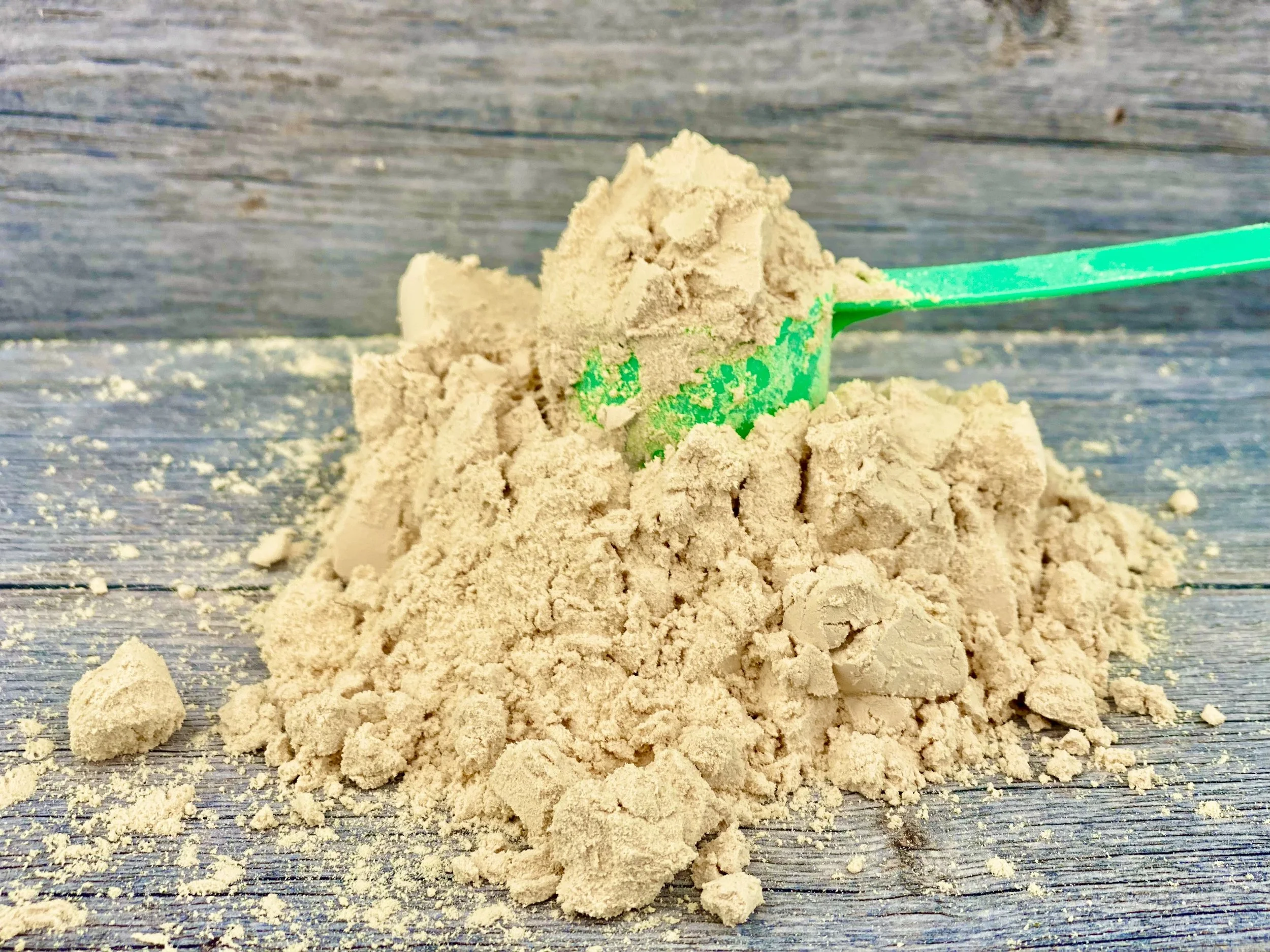
If you’re shifting into a plant-powered lifestyle—or preparing for my Vegan Detox — smoothies naturally become one of the most effective daily nutrition habits you can build. They’re not just convenient; when structured correctly, smoothies deliver a concentrated dose of anti-inflammatory phytonutrients, antioxidants, fiber, vitamins, and minerals that play an important role in supporting energy levels, digestion, metabolic function, and overall health and wellness. Done right, they help set the tone for how your body feels and functions throughout the day.
And while my smoothies are intentionally balanced on their own, adding a high-quality plant-based protein powder strengthens that foundation in a very real, practical way. Over the years—both in my own routine and through extensive client work—I’ve seen the same patterns repeat. The right vegan protein powder can support:
Lean body mass and exercise recovery, especially when paired with strength or resistance training
Blood sugar stability and steadier energy, helping reduce energy crashes later in the day
Satiety and more predictable hunger cues, making smoothies feel satisfying
Improved digestive comfort compared to whey or casein, particularly for individuals prone to bloating
A more anti-inflammatory daily nutrition pattern, aligned with plant-powered eating
Dietary patterns associated with long-term health, including those that emphasize plant proteins with naturally lower methionine content
“A well-built smoothie is one of the easiest ways to nourish your body, support digestion, and keep inflammation in check”
Here’s the reality: not every protein powder supports a plant-powered, anti-inflammatory lifestyle — and that distinction matters. Many products rely on long ingredient lists, artificial sweeteners, heavy flavor systems, or texture additives that can work against digestion, contribute to bloating, and dilute the benefits people are actually looking for from a daily smoothie.
While whey and casein remain common in the traditional fitness space, they’re also frequent triggers for digestive discomfort and that heavy, weighed-down feeling after a shake. For smoothies used as a daily nutrition anchor — especially within an anti-inflammatory framework — plant-based protein powders tend to be gentler, more predictable, and easier to use consistently.
This guide focuses on vegan protein powders that genuinely align with that goal. These aren’t the only options on the market, but they’re the ones that consistently blend well, digest comfortably, rely on straightforward ingredients, and integrate seamlessly into the nutrient-dense smoothie structure I use personally and professionally.
Rather than listing every plant protein available, I focus on the three categories that perform best in real life:
Pea protein powder as the foundational choice
Plant protein blends for texture and familiarity
Seed-based blends as a nutrient-dense complement
You’ll find guidance on which type fits your needs best — along with the specific products I trust most after years of building, testing, and refining plant-based smoothies as a dietitian.
Types of Plant-Based Protein Powders
Pea Protein Powder - My Foundational Choice
Why Pea Protein Works Well in an Anti-Inflammatory Routine
Supports Lean Muscle Maintenance & Exercise Recovery
Pea protein provides essential amino acids — including lysine and naturally occurring branched-chain amino acids (BCAAs) — that support lean muscle maintenance and recovery when paired with resistance or strength training. Used consistently, it helps supply the amino acids needed to support muscle repair and preserve lean mass within an active, plant-based lifestyle.
Because it blends easily into daily smoothies, pea protein makes it practical to meet protein needs regularly, supporting strength and recovery over time while still supporting plant-based efforts.
Amino Acid Profile Suited for Long-Term, Anti-Inflammatory Eating
Pea protein provides all essential amino acids in proportions well suited for everyday use. Compared with many animal-based proteins, it is naturally lower in methionine and leucine—amino acids that are often consumed in higher amounts in animal-heavy diets.
Dietary patterns that meet protein needs while moderating these amino acids have been associated in research with markers linked to long-term health. This makes pea protein especially well suited for regular, daily use as part of a plant-forward nutrition approach focused on stability rather than extremes.
Supports the Body’s Natural Detoxification Pathways (Within a Plant-Based Framework)
Pea protein supplies amino acids such as lysine, arginine, and glutamine that support the liver’s normal Phase II detoxification pathways—the body’s everyday process of preparing compounds for safe elimination.
What makes pea protein especially supportive is the context in which it’s typically used. Unlike many animal proteins, it is naturally free from saturated fat and is most often consumed alongside fiber-rich, phytonutrient-dense foods—particularly when added to smoothies built with fruits, vegetables, and leafy greens. This broader plant-forward pattern supports normal liver function without adding unnecessary digestive or inflammatory stress.
While many plant proteins provide amino acids that support these pathways, plain, single-ingredient pea protein remains my personal gold standard for daily use because of its simplicity, digestibility, and reliability as a clean foundation.
Supports Cardiovascular Health Within a Plant-Based Pattern
Replacing some animal-based proteins with plant proteins—such as pea protein—has been associated with more favorable cardiovascular markers, particularly LDL (“bad”) cholesterol, when part of an overall plant-forward eating pattern.
Used this way, plain pea protein offers a practical daily protein option that supports nourishment without the saturated fat commonly found in many animal-based protein sources. When combined with heart-supportive foods like fruits, vegetables, nuts, seeds, and fiber-rich ingredients, it becomes part of an anti-inflammatory approach that’s both effective and easy to maintain long term.
Gentle on Digestion & Easy to Use Consistently
Plain pea protein is naturally free from dairy, gluten, soy isolates, and other common allergens, making it well-tolerated by most people—especially those with sensitive digestion. It is far less likely to cause bloating, gas, or digestive discomfort than many dairy-based protein powders.
Its mild, neutral flavor blends seamlessly into smoothies, allowing whole foods like fruit, leafy greens, nuts, seeds, and dates to remain the primary drivers of both flavor and nourishment—rather than the protein powder itself.
Naturally Aligned with Anti-Inflammatory Eating
Because it is dairy-free, easy-to-digest, and compatible with whole-food smoothie structures, pea protein fits naturally into an anti-inflammatory, plant-based eating pattern. It’s a protein source many people can use regularly without digestive disruption—supporting consistency, which is where real results come from.
Bottom Line
If you’re looking for a plant-based protein powder that is easy to digest, simple to work with, and realistic to use day after day, pea protein is one of the most dependable options available. Its neutral taste, broad tolerance, and compatibility with a plant-forward, anti-inflammatory approach make it an ideal foundation for long-term nourishment—not short-term fixes.
It’s the protein I come back to again and again, both personally and professionally, because it simply works!
Protein Blends — A Flexible, Plant-Based Option
Protein blends combine two or more plant protein sources—most commonly pea, rice, quinoa, or seed-based proteins such as hemp or pumpkin. Some blends are pea-forward, while others lean more heavily on grains or seeds. Rather than serving a single, universal purpose, blends reflect one of several common approaches companies use to create plant-based protein powders that fit into everyday use.
From a nutrition standpoint, single-source plant proteins—such as pea protein—are fully capable of meeting protein needs on their own. Where blends tend to differ is in how they behave in smoothies. By combining proteins with different textures and solubility characteristics, blends often offer a slightly different experience in terms of mouthfeel, consistency, and flavor integration.
Why Protein Blends Can Be a Good Fit
Smoother texture and easier blendability
By combining multiple plant protein sources, blends often produce a smoother, more cohesive texture than single-source powders alone. Differences in particle size and how each protein interacts with liquid can create a creamier consistency—especially when blended with fruit, non-dairy milk, or nut- and seed-based ingredients.
For people transitioning away from whey or casein, this smoother texture can feel more familiar. And when a smoothie blends well and feels consistent day to day, it’s simply easier to enjoy as part of a regular routine.
Plant variety, delivered simply
Using multiple plant sources introduces a wider range of naturally occurring nutrients and plant compounds. This isn’t because the body requires blends for protein adequacy, but because dietary variety supports overall nutrition quality within a plant-forward eating pattern.
Digestive predictability with thoughtfully formulated blends
Protein blends can remain gentle and well tolerated when ingredient lists stay streamlined. High-quality options avoid common triggers such as sugar alcohols, excessive additives, or heavy flavor systems that can contribute to bloating or digestive discomfort.
It’s also worth noting that, unlike plain single-ingredient pea protein powders, many blends include added sweeteners such as stevia or monk fruit. While these are generally considered safe and are often well tolerated, individual response varies. For those with sensitive digestion, choosing unsweetened blends—and relying on whole fruits like dates or berries for sweetness—can support more predictable digestion while keeping smoothies aligned with an anti-inflammatory approach.
Bottom Line
Protein blends can be a practical, supportive option within a plant-powered smoothie routine. When thoughtfully formulated, they offer the core benefits of plant-based protein alongside a smoother texture and more familiar mouthfeel, which can make daily smoothies easier to enjoy and maintain. Used intentionally, high-quality blends fit comfortably within an anti-inflammatory approach—supporting consistency without unnecessary complexity.
Seed-Based Protein Powders - Nutrient-Dense Support
Seed-based protein powders serve a different role than isolated proteins like pea or rice. Rather than focusing solely on delivering concentrated protein, they function as a more whole-food–adjacent option—providing plant-based protein while retaining small amounts of naturally occurring fiber and minerals from the original seed.
They are best used as a supportive addition to smoothies, not as a replacement for whole nuts and seeds in the diet. Within a plant-forward, anti-inflammatory routine, seed protein powders offer a simple way to boost protein intake while layering in additional nutrients in a food-aligned format.
Why Seed-Based Protein Powders Can Be Useful
Mineral-Supportive Plant Protein
Seed-based protein powders can contribute minerals such as magnesium, zinc, iron, and potassium, depending on the seed source and processing method. These minerals play roles in energy metabolism, immune function, and overall cellular health, making seed proteins a practical way to add both protein and micronutrient support alongside fruits, vegetables, leafy greens, nuts, and seeds.
Satiety and Steady Energy Support
Because seed protein powders typically retain some fiber from the original seed, they tend to digest more gradually than highly isolated proteins. When blended into smoothies with fiber-rich whole foods and healthy fats, they can support satiety and steadier energy as part of a balanced, plant-based approach.
Bottom Line
Seed-based protein powders are best viewed as a nutrient-rich plant protein add-on. Used intentionally, they support protein intake while contributing fiber and key minerals—enhancing the overall nutrient density of a smoothie without replacing foundational whole foods like fruits, vegetables, nuts, or seeds.
What About Soy Protein Powder?
Whole-food soy — such as tofu, tempeh, and edamame — fits well within a plant-forward, anti-inflammatory eating pattern and is included in my Vegan Detox. In its whole form, soy provides protein alongside fiber, minerals, and naturally occurring phytonutrients, and has a long history of use in traditional diets.
Soy protein powders, however, are highly concentrated, and that distinction matters. While current research does not show clear hormonal disruption from soy foods in the general population, soy protein isolates deliver a much more concentrated source than whole-food soy and remove the buffering effects of fiber and the natural food matrix.
Because of that — and because many people actively prefer to avoid soy isolates — I don’t emphasize soy protein powders in this guide. From a practical standpoint, they also tend to be less predictable for digestion and less seamless to use daily in smoothies compared to pea- and seed-based options.
Bottom line
Whole-food soy is encouraged and fits well within a plant-based diet. Soy protein isolates aren’t “bad,” but due to their concentrated nature and lower day-to-day practicality for many people, this guide focuses instead on pea- and seed-based protein powders that better support digestion, consistency, and a long-term anti-inflammatory routine.
A Note on Heavy Metals in Plant-Based Protein Powders
A Note on Heavy Metals in Plant-Based Protein Powders
Heavy metals in plant-based protein powders are a legitimate consideration, and it’s important to address the topic clearly and without unnecessary alarm.
All plant-derived foods can contain trace amounts of naturally occurring heavy metals because plants absorb elements from soil and water as they grow. This applies broadly across the food supply—including vegetables, grains, legumes, nuts, seeds, cacao, and even drinking water—and is not unique to protein powders. Because protein powders are a concentrated form of these foods and are often used regularly, quality control and testing practices matter.
Plant-based protein powders sold in the U.S. are subject to FDA oversight and must comply with current good manufacturing practices (cGMPs), with manufacturers responsible for ensuring products are not adulterated and meet safety standards. Unlike medications, they do not undergo pre-market FDA approval, which means sourcing decisions, testing frequency, and transparency can vary by brand.
Based on publicly available information at the time of writing, brands differ primarily in how openly they communicate their sourcing and testing practices—not because heavy metals are uniquely present or absent in one product versus another, but because transparency and quality control are handled differently across companies.
For that reason, the most practical, evidence-based approach is informed selection: choosing protein powders from brands that emphasize ingredient simplicity, responsible sourcing, and routine testing. Each protein powder included in this guide is accompanied by a brief notation summarizing the brand’s publicly stated quality and testing practices, where available.
Bottom Line
Heavy metals are a broader food-system issue, not a reason to avoid plant-based protein powders altogether. Selecting products from brands that prioritize transparency, sourcing standards, and consistent quality control allows protein powders to be used thoughtfully and confidently as part of a balanced, anti-inflammatory nutrition routine.
Plain vs. Flavored Plant-Based Protein Powders
Choosing between unflavored and flavored plant-based protein powders comes down to digestion, consistency, and how you want sweetness to function in your daily routine. Both can fit within a plant-powered, anti-inflammatory lifestyle — they simply serve different roles.
Why I Prefer Unflavored Plant-Based Protein Powder
Unflavored plant-based protein powder, like my pea protein, provides the cleanest and most adaptable foundation for daily smoothies. It delivers protein without added sweeteners or flavor systems, which matters when digestion, inflammation balance, and long-term consistency are priorities.
I personally prefer unflavored protein because it allows sweetness to come from whole foods like pitted dates (and anyone who knows me understands my LOVE of dates - for good reason) and fruit. This approach delivers the benefits of fruit — fiber, antioxidants, and phytonutrients — while helping taste buds adjust to naturally milder sweetness over time. It also avoids the lingering aftertaste or bloating that some people (myself included) notice with sweetened powders.
Unflavored protein works especially well when digestion sensitivity is a concern, when you want full control over sweetness, or when reducing sugar cravings is part of the goal.
When Flavored Plant-Based Protein Powders Make Sense
Flavored plant-based protein powders can be helpful for enjoyment, consistency, or transitioning away from whey. Many people also find that a lightly-flavored protein makes it easier to include leafy greens like kale or spinach regularly, especially when they’re new to green smoothies.
Many people tolerate flavored proteins well and find them easier to use day to day. The key is choosing well-formulated options with simple, digestion-friendly ingredient lists. Look for flavored proteins that avoid sugar alcohols and rely lightly on sweeteners like stevia or monk fruit.
A Simple Note on Sweeteners
Stevia and monk fruit are plant-derived sweeteners that many people tolerate well, though individual response varies. Some people feel great using them; others notice bloating, aftertaste, or increased cravings. Sugar alcohols are far more likely to cause digestive discomfort and are best avoided for regular use! If a lightly-flavored protein powder helps you consume more kale - go for it!
How I Build a Superior,
Anti-Inflammatory Smoothie
Every smoothie I build — both personally and professionally — follows a deliberate, physiology-driven structure. This isn’t about trends, macros, or tossing ingredients into a blender and hoping for the best. Each component is chosen for how it influences inflammation, blood sugar regulation, digestion, hormone balance, and overall metabolic stability.
What follows is a high-level look at how I intentionally design anti-inflammatory smoothies. It’s not the full framework, but it shows how a smoothie shifts from a casual wellness habit into a strategic, nutrient-dense anchor that actually supports the body when it’s built with purpose.
If you want to experience this structure in action—without overthinking it—that’s exactly what I guide you through inside my 7-Day Green Smoothie Challenge. It’s a simple, practical way to start building smoothies that feel good, digest well, and support your energy from day one.
The Core Structure
Phytonutrient-Rich Leafy Greens & Vegetables
Every anti-inflammatory smoothie I build starts with leafy greens—especially spinach and kale—with beets and other colorful vegetables layered in intentionally. These plants are rich in chlorophyll, carotenoids, nitrates, polyphenols, and a wide spectrum of vitamins and minerals, including folate, vitamin K, vitamin C, potassium, and magnesium. Together, these compounds help lower oxidative stress, support circulation, and reduce inflammatory load, while supplying essential nutrients that support cellular repair, liver function, and long-term metabolic resilience.
Antioxidant-Rich Fruit
Berries, pineapple, mango, and cherries are essential components of an anti-inflammatory smoothie — not optional add-ins. These fruits supply fiber, antioxidants, polyphenols, and key micronutrients that help combat free radical damage, support gut health, improve insulin sensitivity, and promote cellular repair. They also provide natural sweetness in a form the body metabolizes efficiently, supporting appetite regulation and long-term weight management without added sugars. When fruit is used intentionally, it fuels both flavor and function — reinforcing anti-inflammatory protection while keeping smoothies satisfying and sustainable.
Plant-Based Protein Powder
A serving of high-quality plant-based protein powder provides essential metabolic support in an anti-inflammatory smoothie. Its addition helps to stabilize blood sugar, support steady energy, and create a lasting sense of fullness that carries you through the morning or between meals. It also provides the amino acids needed for lean muscle maintenance and recovery, making these smoothies effective both pre- and post-workout! When the protein is easily digested and low in inflammatory burden, it does its job quietly and efficiently — supporting the body without heaviness, bloating, or competing with the benefits of the whole-food ingredients around it.
Anti-Inflammatory Fats
Walnuts, hemp hearts, ground flax, chia seeds, and raw cashews, for example, are added intentionally for balance — not as an afterthought. These healthy fats work alongside fiber-rich fruits and vegetables to create a smoothie that’s genuinely balanced and sustaining. They support heart health, enhance the absorption of fat-soluble nutrients in leafy greens and help keep you full and steady for hours. This is a big reason these smoothies don’t leave you hungry an hour later — and yes, when used correctly, healthy fats can actually support long-term weight management (more on that another time)! Always go back to quality over quantity.
Functional Add-Ins (Used with Purpose)
I absolutely believe in superfoods — especially when they’re used strategically. Ingredients like ginger, cinnamon, turmeric, unsweetened cacao nibs and/or powder, matcha, cashew yogurt, and antioxidant-rich goji berries are layered in selectively to support digestion, reduce oxidative stress, and help protect the body from free-radical damage. These additions enhance the smoothie’s impact without overpowering it, keeping the formula effective, focused, and easy to repeat.
The Best High-Quality Plant-Based Protein Powders for Smoothies
Below are the plant-based protein powders I trust and recommend most — selected for ingredient quality, digestibility, and real-world performance in smoothies, not hype or trends. These aren’t the only vegan protein powders available, but they are the ones that consistently blend well, feel good in the body, and align with the anti-inflammatory, plant-forward approach I teach inside my Vegan Detox.
When you’re using protein powder regularly, formulation details matter. Protein powders are concentrated forms of plant foods, and like all plant-derived foods, they can naturally contain trace elements from soil and water. That’s why sourcing practices, testing standards, and ingredient simplicity are far more important than chasing “perfect” claims.
The brands included here were chosen based on publicly available information at the time of writing, with an emphasis on transparent ingredient lists, responsible sourcing, and stated quality-control or testing practices. Rather than avoiding plant-based protein altogether, the most evidence-informed approach is selecting products from companies that take formulation and accountability seriously.
Each product below includes a clear breakdown of:
Why it earned a spot on this list
How it fits into an anti-inflammatory smoothie routine
What the brand publicly shares about sourcing and testing practices
This allows you to choose confidently — based on how a protein powder actually performs in your body and your daily routine, not marketing noise.
Now let’s break down the options!
1. Naked Nutrition Pea Protein Powder (Unflavored & Vanilla)
Why it stands out
One of the cleanest, most straightforward pea proteins you can actually use every day. The unflavored version is literally just yellow pea protein—no sweeteners, gums, fillers, thickeners, or heavy flavor systems. That makes it neutral in taste, easy to blend, and predictable on digestion when smoothies already include fruits, greens, seeds, or nuts.
For people building a plant‑powered, anti‑inflammatory routine—especially during more structured phases—keeping the ingredient load minimal is a real, practical advantage. It reduces surprises in digestion, flavor, or energy.
Real‑world quality, sourcing, and testing notes
Naked Nutrition publicly states routine, independent third‑party testing that includes heavy metals checks, and notes maintained documentation and adherence to safety standards.
That’s the right kind of emphasis: trace elements can exist in any plant‑based food because of soil uptake, so what matters is sourcing vigilance, testing frequency, and transparency—not pretending trace levels are impossible.
Optional lightly flavored version
They also offer a lightly sweetened vanilla, using natural vanilla and a small amount of coconut sugar. Good for people who want a mild, real‑food sweetness rather than non‑nutritive sweeteners. It’s tuned to be balanced—not dessert‑sweet—so it supports consistency without hijacking the flavor of whole‑food smoothies.
How it fits into an anti‑inflammatory smoothie routine
Neutral, easy, and reliable—perfect when you want the smoothie ingredients themselves to deliver flavor and nutrition, not the protein powder. It supports satiety, lean mass, and daily nourishment without adding digestive stress.
Bottom line
If you want one dependable, digestion‑friendly plant protein for daily use, this is it. Unflavored for maximum control, lightly sweetened vanilla as a soft option—both clean, both practical, both aligned with a long‑term, plant‑forward nutrition pattern.
2. Anthony’s Premium Pea Protein Powder
Why it stands out
A true single‑ingredient pea protein isolate—no flavorings, no sweeteners, no gums, no fillers. Just simple, clean pea protein that blends smoothly into smoothies.
Mild flavor, very neutral, and approachable for beginners or anyone building a daily routine on a tighter budget. You don’t have to trade away ingredient quality to keep costs reasonable.
Real‑world quality, sourcing, and testing notes
Anthony’s emphasizes independent batch testing for quality and safety, aligning with established standards. That signals more deliberate oversight than many bargain options.
As with all plant‑derived foods, trace elements can occur naturally from soil. Anthony’s acknowledges testing and clean sourcing as part of their quality approach, which is exactly the kind of diligence that supports regular use.
How it fits into an anti‑inflammatory smoothie routine
Because it’s unflavored and highly neutral, it lets whole foods—fruit, leafy greens, nuts, seeds—stay the focus. You still get strong satiety, support for lean muscle, and predictable daily nourishment, but without complicated additives.
Bottom line
A reliable, no‑frills daily pea protein that’s genuinely affordable. Strong pick for people just starting or anyone who wants a clean foundation without paying premium prices.
3. Transparent Labs Organic Pea Protein (Chocolate)
Why it stands out
A flavored protein that stays deliberately restrained. Instead of relying on heavy sweetness, sugar alcohols, or long lists of gums and texture agents, this formula is built around organic pea protein isolate, organic cocoa, natural flavors, and stevia.
The result is a chocolate protein that feels familiar and satisfying without turning your smoothie into a dessert or overwhelming your palate. The cocoa provides real depth of flavor, while the sweetness stays subtle — which helps avoid the energy swings, cravings, and digestive issues many flavored powders create.
It’s especially helpful for people transitioning away from whey or for anyone who wants a chocolate option that still fits comfortably into a plant-forward, anti-inflammatory routine.
Real-world formulation, sourcing, and testing notes
Transparent Labs places a strong emphasis on ingredient transparency, sourcing standards, and third-party testing, including testing practices related to safety thresholds and quality control.
On the product page, the formula avoids artificial sweeteners and sugar alcohols, relying instead on stevia, organic cocoa, and gum arabic (a plant-derived fiber) for texture and stability. The ingredient list stays relatively short and functional, which is exactly what helps keep digestion more predictable and daily use more realistic.
As with all plant-derived protein powders, trace amounts of naturally occurring heavy metals can be present due to soil and water exposure in agriculture. Transparent Labs’ approach focuses on sourcing standards and testing practices rather than making absolute claims — which aligns with the broader, evidence-based framework outlined earlier in this guide.
How it fits into an anti-inflammatory smoothie routine
This protein works well in smoothies built around fruits, leafy greens, fiber-rich ingredients, and healthy fats. The cocoa adds richness without pushing the smoothie into dessert territory, so the result stays balanced and functional.
It’s a good middle ground when unflavored feels too plain, but ultra-sweet chocolate powders feel like a step in the wrong direction.
Bottom line
If you want a flavored protein that still takes ingredient integrity, formulation restraint, and testing practices seriously, this is a standout option. It offers flavor for consistency — without sacrificing digestion, balance, or long-term usability.
4. Truvani Plant-Based Protein (Vanilla)
Why it stands out
Truvani stands out for keeping flavored protein simple, recognizable, and strongly food-leaning. Instead of relying on artificial flavor systems, sugar alcohols, or long lists of gums and stabilizers, Truvani builds its formulas from a short list of whole-food–derived ingredients and sweetens with monk fruit.
The result is a protein powder that tastes rich and satisfying without drifting into the overly engineered, dessert-like category that so many flavored proteins fall into. The texture is naturally thicker and more filling, coming from the ingredients themselves rather than added thickeners — which makes smoothies feel more substantial without feeling heavy or artificial.
This makes Truvani especially appealing for people who want flavor and enjoyment without abandoning a plant-forward, anti-inflammatory approach.
Real-world formulation, sourcing, and testing notes
Truvani emphasizes ingredient transparency, sourcing standards, and third-party testing as part of its quality control philosophy. The brand is very explicit that heavy metals are a broader food-system issue, not something unique to protein powders, and focuses its messaging on responsible sourcing, formulation choices, and testing to meet established safety thresholds.
Rather than making absolute “zero” claims, Truvani takes a process-based approach: choosing ingredients carefully, keeping formulas simple, and testing to ensure compliance and safety.
As with all plant-based protein powders, trace amounts of naturally occurring heavy metals can be present due to soil and water exposure in agriculture. Truvani’s emphasis on testing and transparency aligns with the broader framework discussed earlier in this guide — informed selection based on sourcing and quality practices, not unrealistic guarantees.
How it fits into an anti-inflammatory smoothie routine
Truvani works well in smoothies where enjoyment and consistency matter — especially for people who want a flavored option that still respects digestion and ingredient quality. It pairs naturally with fruits, nut butters, cacao, and seeds, making it useful for building smoothies that feel satisfying and complete without becoming sugar-forward.
While unflavored pea protein remains ideal for maximum ingredient control, Truvani provides a clean, flavorful alternative when taste helps support long-term consistency!
Bottom line
Truvani Plant-Based Protein is a strong flavored option for those who want real-food–leaning ingredients, clear labeling, and a brand that takes sourcing and testing seriously. It strikes a rare balance between taste, formulation restraint, and quality standards — making it a practical choice for day-to-day use when flavor helps you stay consistent.
5. Ritual Essential Protein (Daily Shake — Vanilla)
Why it stands out
Ritual’s plant-based protein stands out for its emphasis on ingredient traceability and transparency, paired with a simple, focused formula. It is built around organic pea protein and lightly flavored with natural vanilla, without relying on sugar alcohols, artificial sweeteners, artificial colors, or aggressive flavor systems.
The flavor is mild and neutral, which makes it easy to use in smoothies where fruits, leafy greens, seeds, and healthy fats remain the primary ingredients. Instead of dominating the smoothie, it blends in cleanly and predictably.
What differentiates Ritual from many brands is not novelty or flavor variety, but how clearly it communicates where its ingredients come from and how the product is tested.
Real-world quality, sourcing, and testing notes
As with all plant-derived protein powders, trace amounts of heavy metals can occur naturally due to soil exposure. Ritual places strong emphasis on ingredient traceability and third-party testing, and publicly shares information about sourcing locations, suppliers, and quality standards.
Rather than making absolute “zero exposure” claims, the brand focuses on transparency around sourcing and routine testing designed to meet established safety thresholds. This aligns with the broader framework discussed in this guide: plant-based protein powders are best evaluated based on sourcing quality, testing rigor, and openness about manufacturing practices.
How it fits into an anti-inflammatory smoothie routine
Ritual’s protein works well in smoothies built around fruits, leafy greens, seeds, and healthy fats. Its mild flavor keeps smoothies food-forward rather than dessert-like, which makes it easy to use regularly without flavor fatigue or digestive surprises.
It’s especially well suited for people who want one dependable protein they can use consistently without having to work around strong flavors or heavy sweetening systems.
Bottom line
Ritual Essential Protein Daily Shake is a strong choice for those who prioritize ingredient traceability, transparency around testing, and a simple, predictable formula. It fits cleanly into a plant-forward, anti-inflammatory smoothie routine without relying on heavy sweeteners, aggressive flavor systems,
or overly engineered ingredients.
6. Naked Nutrition Naked Seed (4-Seed Protein — Chia, Watermelon, Sunflower, Pumpkin)
Why it stands out
Naked Seed Protein stands out because it fills a different role than isolated pea protein. Instead of focusing purely on maximizing protein grams, this formula delivers plant-based protein alongside small amounts of naturally retained fiber and micronutrients from real seeds — including pumpkin, sunflower, watermelon, and chia.
There are no added sweeteners, artificial flavors, gums, or fillers. The ingredient list stays simple and food-aligned, making this a useful option when the goal is to add protein while also keeping smoothies grounded in whole-food nutrition.
This isn’t meant to replace a primary protein like pea protein for daily use. It’s best thought of as a complementary or rotational option — especially when you want a more whole-food–leaning protein source in your routine.
Real-world quality, sourcing, and testing notes
As with all plant-derived foods, seeds can contain trace amounts of naturally occurring heavy metals due to soil exposure. Naked Nutrition states that its seed protein products undergo routine third-party testing, including testing for heavy metals, as part of its quality control process.
The brand emphasizes ingredient simplicity, sourcing oversight, and compliance with established safety standards rather than making absolute “zero exposure” claims. This aligns with the broader framework discussed in this guide: plant-based protein powders are best evaluated based on sourcing quality, testing practices, and transparency.
How it fits into an anti-inflammatory smoothie routine
Naked Seed Protein works well in smoothies that already include fruits, leafy greens, and healthy fats. Because it contains naturally occurring fiber from the seeds, it can feel more satisfying for some people and support steadier energy compared to highly isolated proteins alone.
The mild, neutral flavor pairs especially well with cacao, berries, greens, cinnamon, and other spices. It’s a useful option when rotating protein sources or when the goal is to emphasize nutrient density and whole-food structure rather than just protein concentration.
Bottom line
Naked Nutrition Naked Seed is a thoughtful, complementary protein option for those who want more than just isolated protein — more food structure, more variety, and more nutrient density. While it’s not intended to replace pea protein as a daily foundation, it fits seamlessly into a plant-forward, anti-inflammatory smoothie routine as a rotational or supportive add-on.
Final Takeaway: Choosing the Right Plant-Based Protein Powder
A high-quality plant-based protein powder can be a powerful, practical tool — one that supports digestion, steady energy, recovery, and a lower-inflammatory way of eating when it’s chosen with intention. The right option makes nourishing your body easier, not more complicated.
The most effective vegan protein powders tend to do a few things consistently well:
Use clean, transparent ingredient lists you can actually recognize
Digest comfortably and predictably, without bloating or heaviness
Support satiety and steady energy throughout the day
Blend seamlessly into real-food, plant-forward smoothies and meals
Whether you’re stepping into a plant-powered lifestyle or refining an anti-inflammatory routine you already rely on, your protein powder should feel like a natural extension of how you eat — not something you have to work around.
Every option highlighted in this guide was chosen with that lens. In real life, these are powders that:
Perform well in everyday smoothies
Tend to be well tolerated, even with sensitive digestion
Avoid unnecessary additives, aggressive sweeteners, or overly engineered formulas
Support long-term consistency rather than short-term hype
There’s no single “perfect” protein powder. What matters is finding the one that works with your body, your digestion, and your daily rhythm — so plant-powered nutrition feels supportive instead of forced.
When ingredients stay clean, formulations stay thoughtful, and routines stay consistent, protein powders stop feeling like a supplement you’re “trying out” and start functioning as a reliable tool that reinforces your habits. Pay attention to how you feel, adjust as needed, and choose the option that helps you show up nourished, energized, and steady — day after day.
Clean ingredients. Thoughtful formulation.
Plant-based nutrition that works with your body — not against it.
That’s the standard behind every recommendation here.