Best Store-Bought Hummus Brands (Dietitian-Approved, Plant-Based Picks)
Affiliate note: This article contains affiliate links. If you purchase through these links, I may earn a small commission at no extra cost to you. I only recommend products I personally buy, eat, and recommend as a plant-based dietitian.
Hummus is one of the easiest plant-based foods for increasing fiber, plant protein, and overall legume intake without changing your routine. Built on simple ingredients and centered around chickpeas, it’s a staple in many longevity-focused dietary patterns and a powerful addition to a plant-based, anti-inflammatory way of eating.
But real life isn’t always calm, organized, and batch-prepped. Some weeks you’re busy, tired, or simply not in the mood to soak and blend beans — and that’s FINE! Convenience doesn’t have to mean compromising your health. The good news is that there are store-bought hummus options that can still align perfectly with a whole-food, plant-powered, anti-inflammatory way of eating.
Hummus is something I genuinely consider a staple in a longevity-supportive, health-boosting, and yes - weight management-friendly dietary pattern. It’s naturally rich in fiber, structured with plant protein, and when made well, supports gut health, blood sugar balance, appetite regulation, and long-term cardiometabolic health. It’s also one of the easiest and most realistic ways to increase legume intake without overcomplicating your routine — and meaningful health outcomes are driven far more by consistency than perfection.
The issue isn’t hummus itself — it’s how some versions are formulated. While store-bought hummus is technically processed, it can still be a nourishing choice when the ingredients remain simple and recognizable. The goal is hummus that keeps chickpeas central, avoids unnecessary preservatives or stabilizers, and isn’t overly oil-heavy — while still tasting fresh and satisfying.
What I look for most is hummus that resembles what you would make at home — simple ingredients, a relatively clean profile, minimal preservatives — with chickpeas clearly remaining the star. If you’ve worked with me before, you know I consistently encourage increasing legume intake as part of a plant-powered, anti-inflammatory way of eating — and for good reason! Chickpeas, the foundation of hummus, deliver meaningful health benefits, which we’ll take a closer look at below.
Health Benefits of Chickpeas in an Anti-Inflammatory Diet
Chickpeas are one of the most valuable foods in an anti-inflammatory, plant-powered way of eating. They are affordable, versatile, naturally satisfying, and backed by strong research for gut health, blood sugar balance, heart health, and long-term metabolic support.
What makes chickpeas so powerful is not one single nutrient — it is the way their components work together. Chickpeas naturally provide fiber, resistant starch, plant protein, slow-digesting carbohydrates, and antioxidant plant compounds. That combination is exactly why they are such a foundational food in healthy dietary patterns.
And this is where hummus becomes especially helpful. It gives you a realistic, convenient way to eat chickpeas consistently — which is what actually creates benefit over time.
Fiber and Resistant Starch
Chickpeas are rich in fiber, including soluble fiber, insoluble fiber, and resistant starch. These compounds support digestion in different but complementary ways.
Soluble fiber helps slow digestion and support cholesterol balance. Insoluble fiber helps add bulk and support regularity. Resistant starch acts more like a prebiotic, meaning it reaches the colon intact and helps feed beneficial gut bacteria.
When these fibers are fermented in the colon, they produce short-chain fatty acids such as butyrate, which help support gut barrier integrity, regulate immune signaling, and contribute to the anti-inflammatory effects associated with fiber-rich diets.
This is one of the reasons chickpeas are so supportive for:
Gut health
Microbiome diversity
Digestive regularity
Support a healthier inflammatory response over time.
A diverse gut microbiome supported by fiber-rich plant foods — particularly legumes — is consistently associated with better metabolic health, improved weight regulation, and many of the longevity benefits seen in plant-forward dietary patterns.
Plant-Based Protein
Chickpeas — the foundation of hummus — also provide plant-based protein, which helps promote satiety, support steadier energy levels, and contribute to lean muscle maintenance as part of a balanced diet. Adequate protein intake plays an important role in maintaining muscle mass and supporting metabolic health, particularly when protein is consumed consistently throughout the day.
Because chickpeas naturally contain both protein and fiber, they help slow digestion and promote longer-lasting fullness after eating.
This combination of protein and fiber is particularly helpful for maintaining satiety and reducing the rapid hunger that often follows low-fiber, highly refined snacks. Unlike many snack foods that are primarily refined carbohydrates, hummus provides both protein and fiber together — a combination that supports better fullness and steadier blood sugar responses.
Together, plant protein and fiber support:
Longer-lasting fullness after meals
More stable energy throughout the day
Better appetite regulation and reduced cravings
Lean muscle maintenance as part of a balanced diet
This is one of the reasons hummus works so well as a snack or meal addition. The natural pairing of chickpea protein and fiber helps make meals feel more complete, satisfying, and nutritionally balanced.
Antioxidants and Phytonutrients
Because hummus is made from chickpeas, it also provides naturally occurring antioxidant plant compounds that help protect cells from oxidative stress — a process linked to aging and many chronic diseases.
Chickpeas contain polyphenols and smaller amounts of beneficial plant compounds such as flavonoids, saponins, and carotenoids. These compounds are found throughout many whole plant foods and contribute to the antioxidant activity associated with legume-rich diets.
While fiber and plant protein tend to receive most of the attention, these antioxidant compounds add another layer of benefit. Together, they support the body’s natural defense systems and contribute to the anti-inflammatory effects commonly observed in diets rich in legumes, vegetables, fruits, and other whole plant foods.
In other words, chickpeas — and foods like hummus — are beneficial not because of a single nutrient, but because multiple components work together. Fiber, resistant starch, plant protein, and antioxidant compounds interact within the whole food structure to support digestion, metabolic health, and long-term wellness.
This is one of the reasons hummus fits so naturally into a plant-forward, anti-inflammatory way of eating.
Why Hummus Is One of the Easiest Ways to Eat More Chickpeas
When you look at everything chickpeas provide — fiber, resistant starch, plant protein, slow-digesting carbohydrates, and beneficial plant compounds — it’s easy to see why legumes play such an important role in healthy dietary patterns.
Regularly eating legumes is associated with benefits people can actually notice in everyday life, including:
Feeling fuller after meals and snacks
More stable blood sugar and sustained energy
Better digestive health and gut microbiome support
Easier long-term weight management
Healthier cholesterol levels and heart health
Cooking beans from scratch can certainly be part of a healthy routine, but in real life many people rely on convenient options. Fortunately, chickpeas are widely available in simple, ready-to-use forms like canned chickpeas and hummus.
Canned chickpeas work well in salads, grain bowls, soups, and quick meals. Hummus, however, offers something especially helpful: simplicity and consistency.
Because hummus is made from chickpeas and ready to eat, it makes it much easier to include legumes regularly — whether as a snack with vegetables, spread on wraps, added to grain bowls, or used as part of a simple meal.
Hummus can also make it easier to eat more vegetables. Pairing hummus with foods like carrots, cucumbers, bell peppers, or snap peas turns a simple snack into something that delivers fiber, vitamins, minerals, and beneficial plant nutrients from both legumes and vegetables.
When chickpeas and vegetables become part of your routine in this way, their benefits begin to add up over time.
In other words, hummus isn’t just a dip — it’s one of the simplest and most practical ways to make fiber-rich legumes and nutrient-dense vegetables a regular part of everyday eating. That’s exactly why I recommend hummus so often when helping people move toward a more plant-forward, anti-inflammatory way of eating.
And fortunately, there are several store-bought hummus brands that do a great job keeping ingredients simple while still tasting fresh and satisfying.
How to Choose a Healthy Store-Bought Hummus
There are a lot of hummus options on the market today — and fortunately many of them are quite solid from a nutrition standpoint. The goal isn’t to find the “perfect” hummus. It’s simply to choose one that still resembles real hummus, uses simple ingredients, and actually tastes good.
When I’m scanning store-bought options, I keep it very simple. I look for hummus made with ingredients similar to what you would use at home — chickpeas, tahini, olive oil, lemon, and garlic. Chickpeas should clearly be the main ingredient, and the ingredient list should stay relatively short and recognizable.
When reading labels, strong store-bought hummus options usually have a few things in common:
Chickpeas listed first (they should be the main ingredient)
Tahini included for flavor and traditional texture
A short, recognizable ingredient list
No preservatives or unnecessary stabilizers
Personally, I tend to skip options that rely on preservatives or additives and instead choose products with a cleaner ingredient profile that stays closer to traditional hummus.
It’s also worth noting that most store-bought hummus will contain some sodium, which is completely normal. Salt is part of traditional hummus preparation and helps balance the flavor. The goal isn’t to find a sodium-free hummus — it’s simply to choose one where chickpeas remain the primary ingredient and the overall ingredient list stays simple.
At the end of the day, the goal isn’t perfection. It’s choosing a hummus that still feels like real food and makes it easy to eat more legumes consistently.
My Top Store-Bought Hummus Picks (Dietitian-Approved)
There are plenty of options on the market, but some do a much better job keeping ingredients simple and closer to what you would make at home. The brands below stand out for maintaining straightforward ingredient lists while still tasting fresh and satisfying.
These are the hummus brands I tend to buy myself, recommend to clients, and rotate depending on what’s available at the store. They make it easy to keep chickpeas — and the fiber-rich benefits that come with them — part of everyday meals and snacks.
As with any packaged food, ingredients can change slightly over time, but overall these brands consistently keep chickpeas front and center while maintaining relatively simple ingredient lists.
Below are the varieties I most often recommend when people want a convenient hummus that still feels like real food.
Little Sesame Hummus
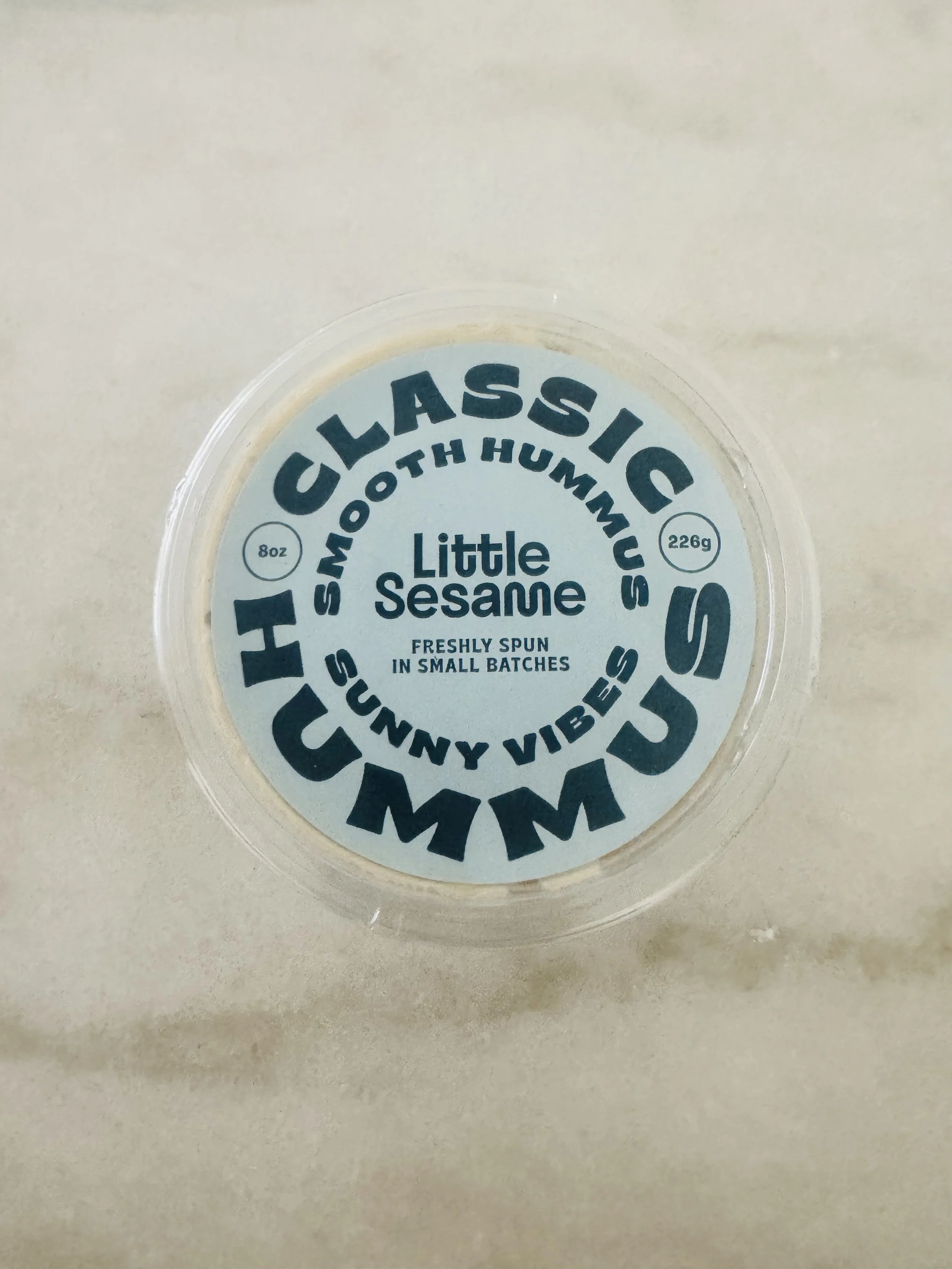
Little Sesame is one of the hummus brands that consistently stands out for keeping the ingredients simple and close to what you’d expect from homemade hummus.
Their recipes are built around high-quality chickpeas along with traditional ingredients like tahini, lemon, garlic, and olive oil. The products are made without preservatives, and chickpeas remain clearly the main ingredient — exactly what you want when choosing a hummus that still resembles real food.
The texture is exceptionally smooth and creamy, and the flavor tends to taste brighter and fresher than many conventional grocery store hummus options. It spreads easily, pairs well with vegetables, and works especially well in wraps, grain bowls, or simple snack plates.
Little Sesame also offers several flavor varieties, which makes it easy to keep chickpeas and legumes in regular rotation without getting bored.
This is personally one of my top hummus picks and a brand I often reach for when I want a store-bought hummus that still tastes very close to homemade.
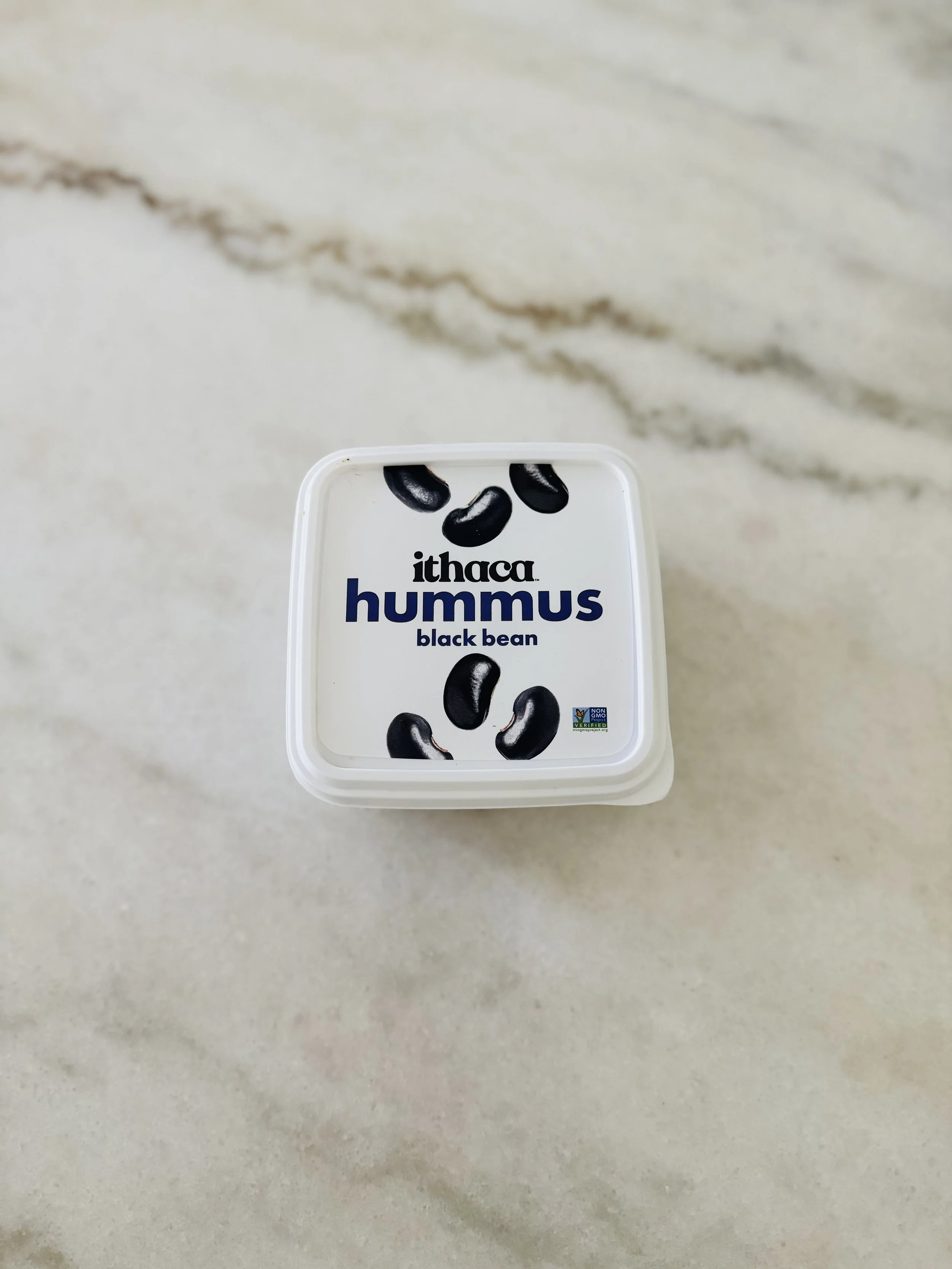
Ithaca Hummus is another brand I often recommend for people who want a hummus with a little more flavor than many standard grocery store options.
The ingredient lists stay fairly simple and still keep chickpeas clearly at the center, which is what you want when choosing a hummus that delivers the fiber and plant protein legumes are known for.
One thing that really stands out about Ithaca is the noticeable lemon flavor. The hummus tends to have a slightly lighter texture and a more pronounced tang than many thicker grocery store hummus brands, which gives it a fresher, more vibrant taste.
Ithaca also offers a wide range of flavor varieties, which makes it easy to keep hummus interesting if you’re trying to include legumes regularly. The black bean version featured above is a popular option. While it’s a little different from traditional chickpea hummus, it still delivers fiber and plant protein with a spicier, more savory flavor.
This is a brand I often recommend for people who want simple ingredients but also appreciate a hummus with a bit more flavor and variety!
Trader Joe’s Organic Hummus
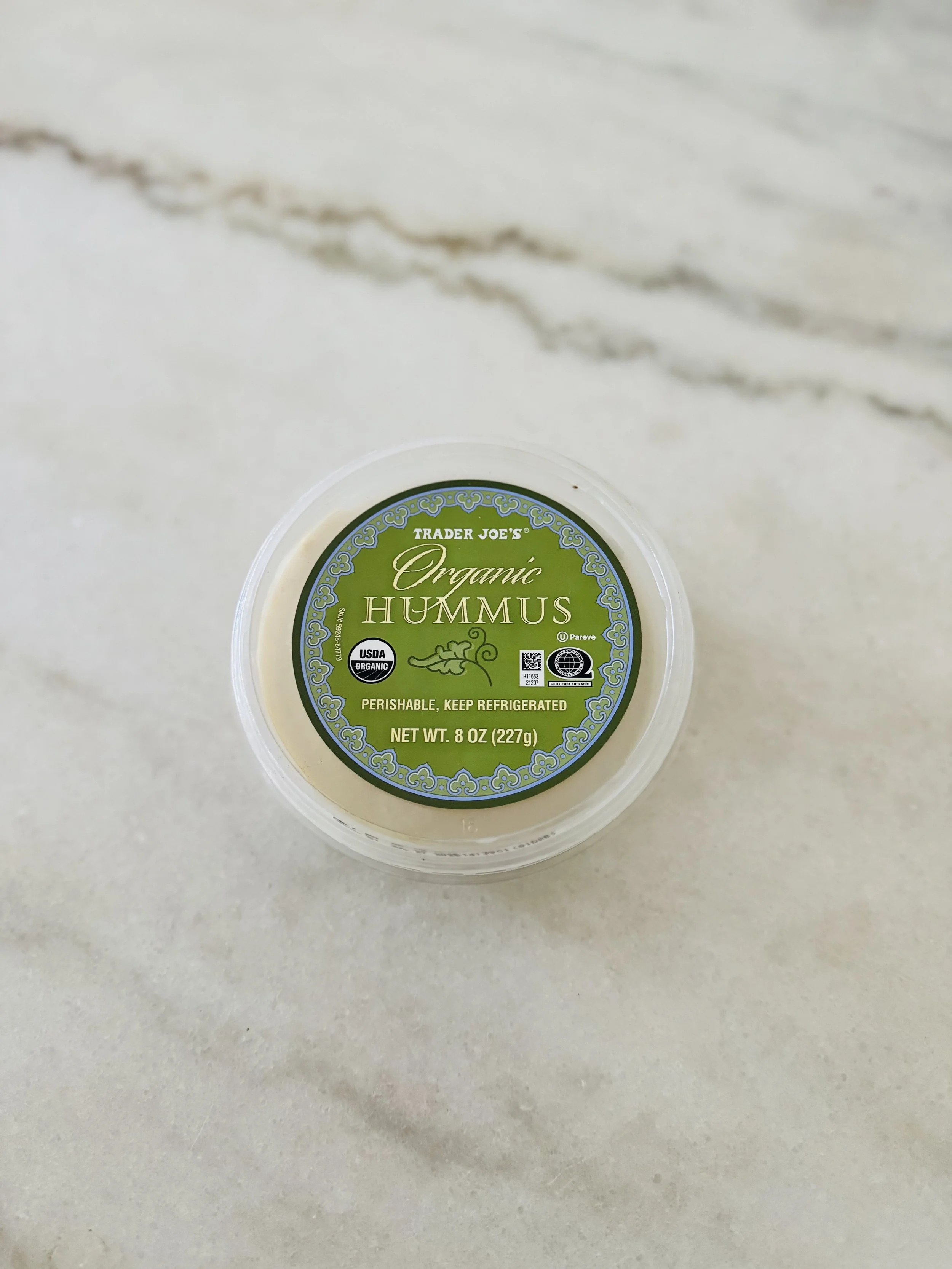
Trader Joe’s Organic Hummus is a solid everyday option if you’re looking for a hummus that’s healthy, affordable, and easy to grab during a regular grocery run.
Trader Joe’s carries quite a few hummus varieties, but the organic original is one I often point people toward because it keeps things simple. Chickpeas are still the main ingredient, and the recipe sticks pretty close to what you’d expect from a classic hummus without a lot of extra ingredients.
Another reason people like this one is the price. It’s one of the more affordable hummus options you can buy while still keeping ingredients healthful and clean.
The flavor is smooth, mild, and easy to like, which is why many people end up using it as an everyday staple. It’s a dependable option when you want something that tastes good and makes it easy to keep chickpeas and other legumes in regular rotation.
Trader Joe’s does offer several flavored hummus options, but the Organic Original keeps things closest to a simple, classic hummus with the healthiest ingredient profile.
O Organics Traditional Hummus
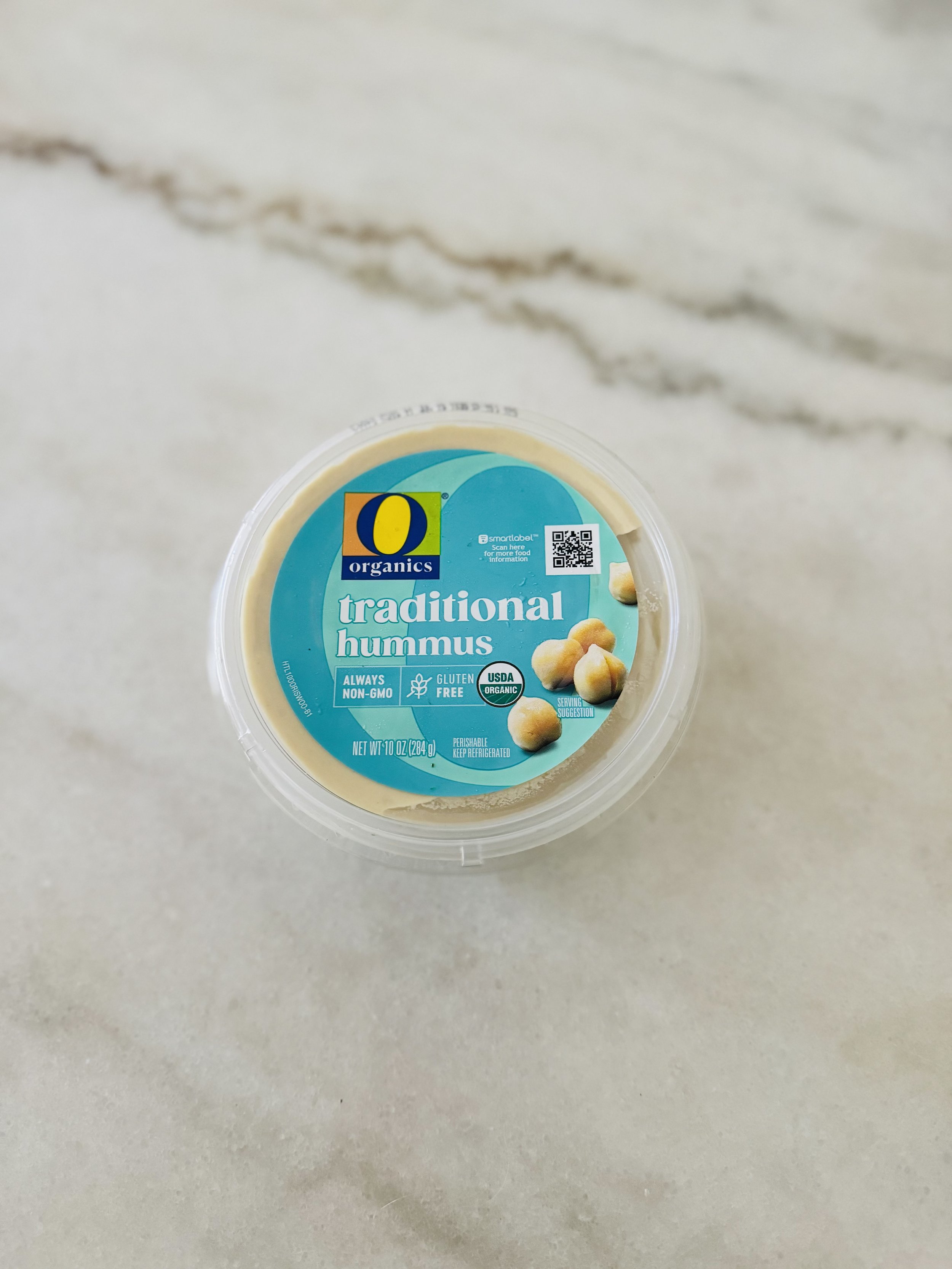
O Organics Traditional Hummus is another solid option if you’re looking for an organic hummus that’s easy to find and reasonably priced.
The recipe keeps things pretty simple, with chickpeas clearly listed as the main ingredient. It sticks close to a classic hummus style, which means you’re still getting the fiber and plant protein that make hummus such a satisfying legume-based food.
One advantage of this brand is availability. Because O Organics is part of a larger grocery store organic line, it’s commonly found in stores like Safeway, Albertsons, and other affiliated markets. For many people, that convenience makes it easier to keep hummus on hand as a regular staple.
The texture is smooth and creamy, and the flavor is mild but really enjoyable. It tastes great on its own and pairs easily with vegetables, sandwiches, or simple snacks. The brand also offers a few different flavor varieties, which can help keep things interesting if you eat hummus regularly.
If you’re looking for an organic hummus that’s widely available, affordable, and built on simple ingredients, this is a very practical choice.
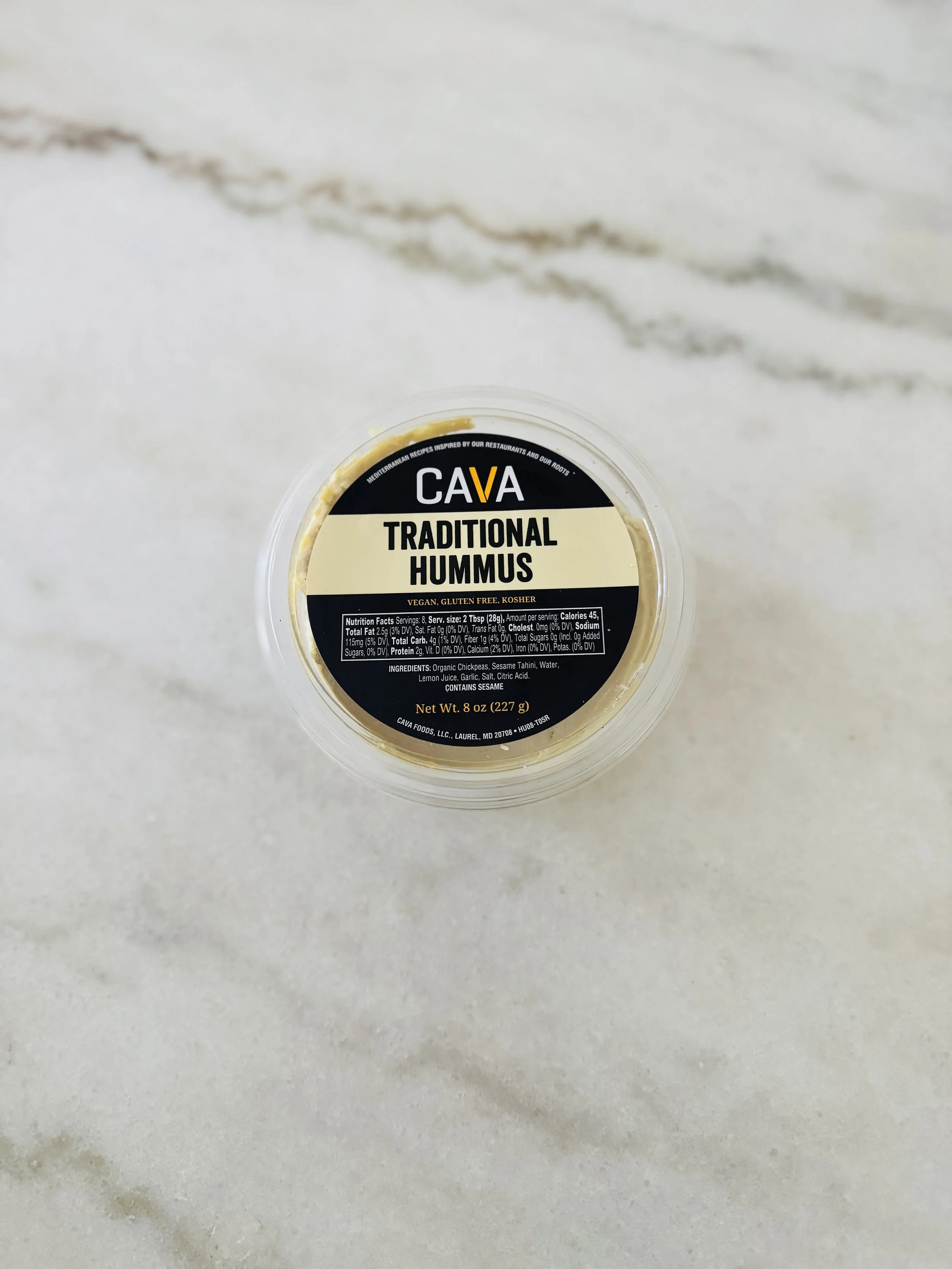
CAVA Hummus comes from the Mediterranean fast-casual restaurant, and it brings the same bold, fresh flavors you find in their bowls and wraps to your fridge.
What sets it apart is the texture — thick, creamy, and easy to spread — making it especially enjoyable if you prefer a smoother, lighter hummus.
The flavor packs more punch than many standard grocery store options, so it really stands out when paired with vegetables, pita, sandwiches, or grain bowls.
CAVA also offers several varieties, giving you a few different flavor options to rotate depending on what you’re in the mood for.
If you enjoy Mediterranean-style foods and want a hummus that’s rich, creamy, and full of flavor, CAVA is a great choice to keep on hand.
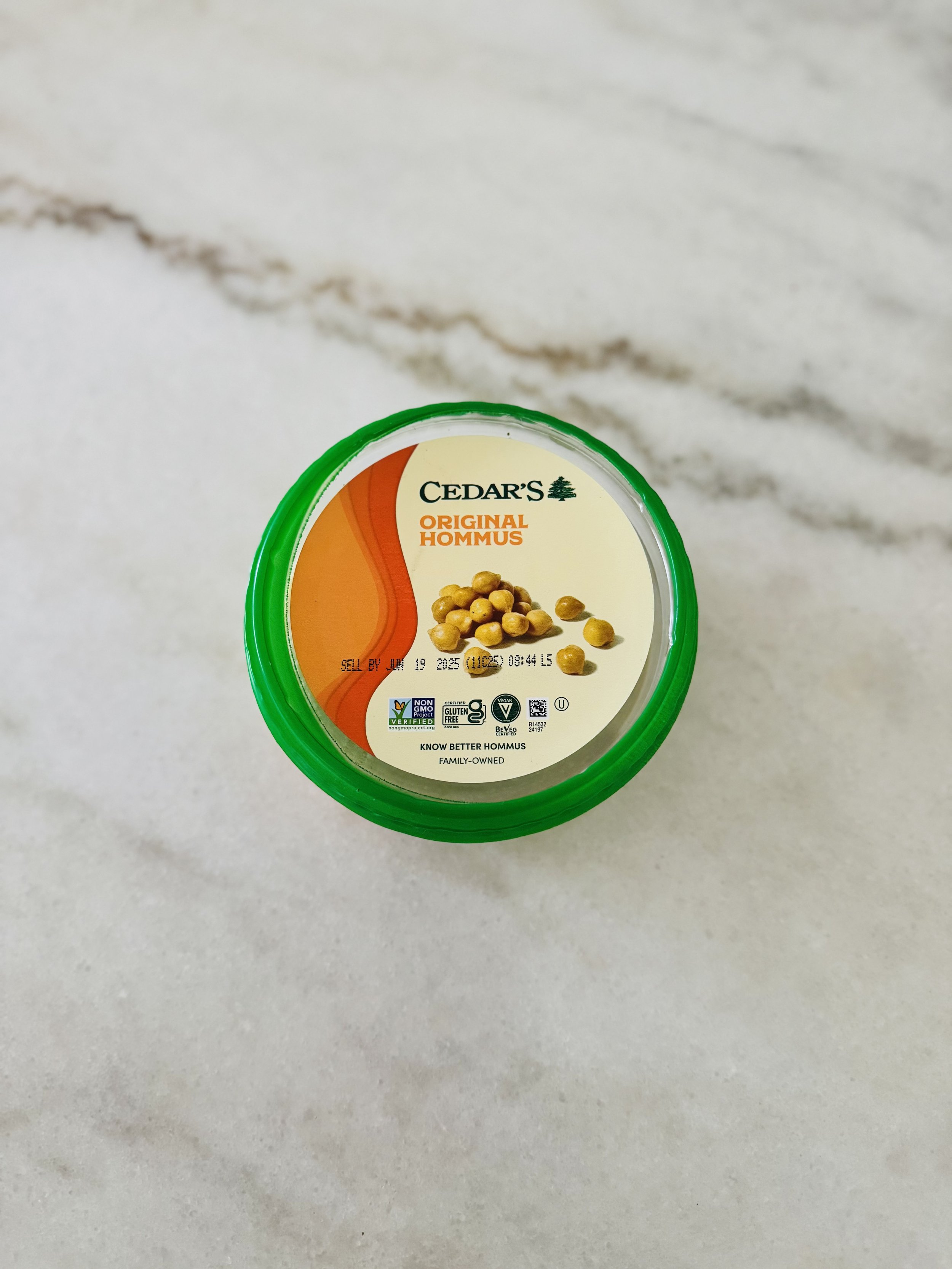
Cedar’s Organic Hummus is a classic, widely available option that balances simple ingredients with great flavor.
Its creamy, slightly rich texture is approachable and satisfying, and it keeps chickpeas front and center — delivering fiber, plant protein, and steady energy to help you feel fuller for longer.
Cedar’s also comes in several tasty flavors, like roasted red pepper, garlic & herb, and spicy, making it easy to keep meals and snacks interesting without overcomplicating your routine.
For anyone looking for a flavorful, reliable, and health-conscious hummus, Cedar’s Organic is a go-to choice.
Easy Ways to Use Hummus in Everyday Meals
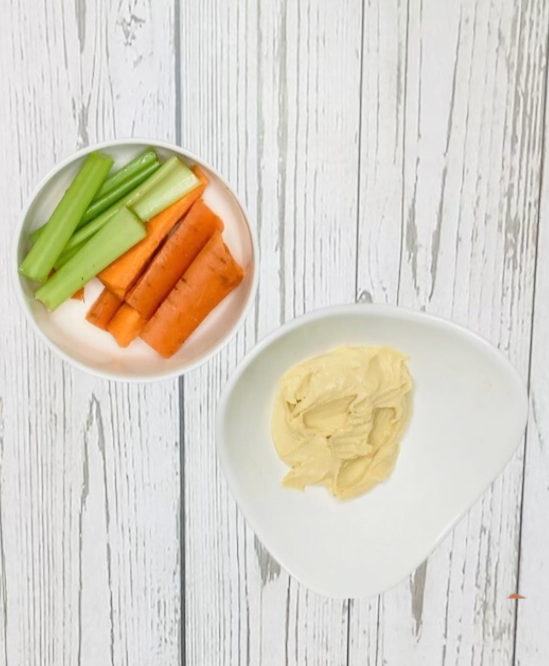
Now that you’ve seen some of my favorite hummus brands — and why chickpeas are such a valuable food in an anti-inflammatory, plant-forward diet — the next step is simply using hummus in ways that make everyday meals more satisfying and nourishing.
One of the things I love most about hummus is how easily it fits into real life. It doesn’t require extra cooking or complicated planning — it’s simply an easy way to add fiber, plant protein, and staying power to meals and snacks.
Here are some of my favorite ways to use hummus throughout the day:
• With raw vegetables — bell peppers, cucumbers, carrots, celery, snap peas, and radishes all work beautifully. This combination adds fiber, hydration, crunch, and antioxidant-rich plant compounds that support gut health and microbiome diversity. It also makes an incredibly satisfying afternoon snack because the fiber and healthy fats help prevent the typical energy crash that follows ultra-processed snacks.
• With roasted vegetables — sweet potatoes, broccoli, cauliflower, zucchini, and Brussels sprouts pair especially well with hummus. The fats from tahini and olive oil can help improve absorption of certain fat-soluble plant compounds while also making vegetables more filling and flavorful.
• Spread in wraps, bowls, or on whole-grain toast — hummus works as a creamy, fiber-rich base that helps meals feel more balanced and satisfying. It pairs especially well with grain bowls, sprouted grain toast, and whole-grain wraps where it adds both flavor and staying power.
• Alongside other legumes or plant proteins — combining hummus with lentils, beans, chickpeas, tofu, or quinoa increases plant protein diversity while layering additional prebiotic fiber. This helps support fullness, steady energy, and digestive health throughout the day.
When hummus is paired with vegetables, whole grains, and other plant foods, meals naturally become richer in fiber, phytonutrients, and beneficial plant compounds. This is where simple foods begin working together to support digestion, stable energy, and overall metabolic health.
And importantly, this doesn’t require perfection or complicated meal plans.
The real value of hummus is that it makes eating legumes easy. Whether you’re building a quick snack plate, adding it to a wrap, or using it to anchor a grain bowl, hummus is one of the simplest ways to increase fiber intake and build a more plant-forward way of eating.
For that reason, hummus is something I regularly recommend in my own programs and anti-inflammatory nutrition approach. It’s affordable, versatile, satisfying, and backed by strong research on the benefits of legumes.
Sometimes the most powerful nutrition strategies are also the simplest — and hummus is a perfect example!